a deep-research buying call on glasses to run claude code on — plus a sweep of the gadgets a founder like you doesn't know exist. fact-checked, not vibes.
"ai glasses" is doing a lot of work in the marketing. the category splits hard — and the split is the buying decision. one renders a real monitor in front of your eyes. the other shows a few lines of status and can never show a terminal.
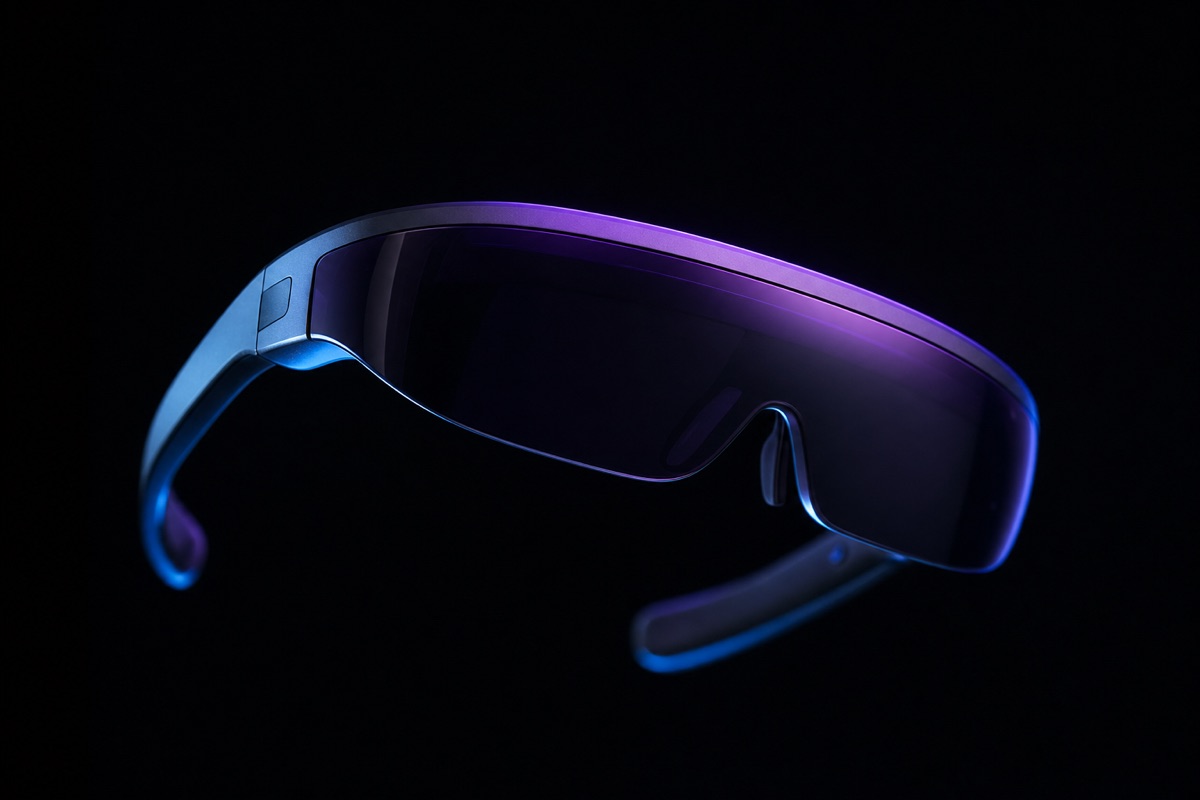
micro-oled panels, ~1080p per eye, projecting a large virtual monitor. you run claude code on the mac/iphone, the glasses are the screen. this is the only category you can actually code on.
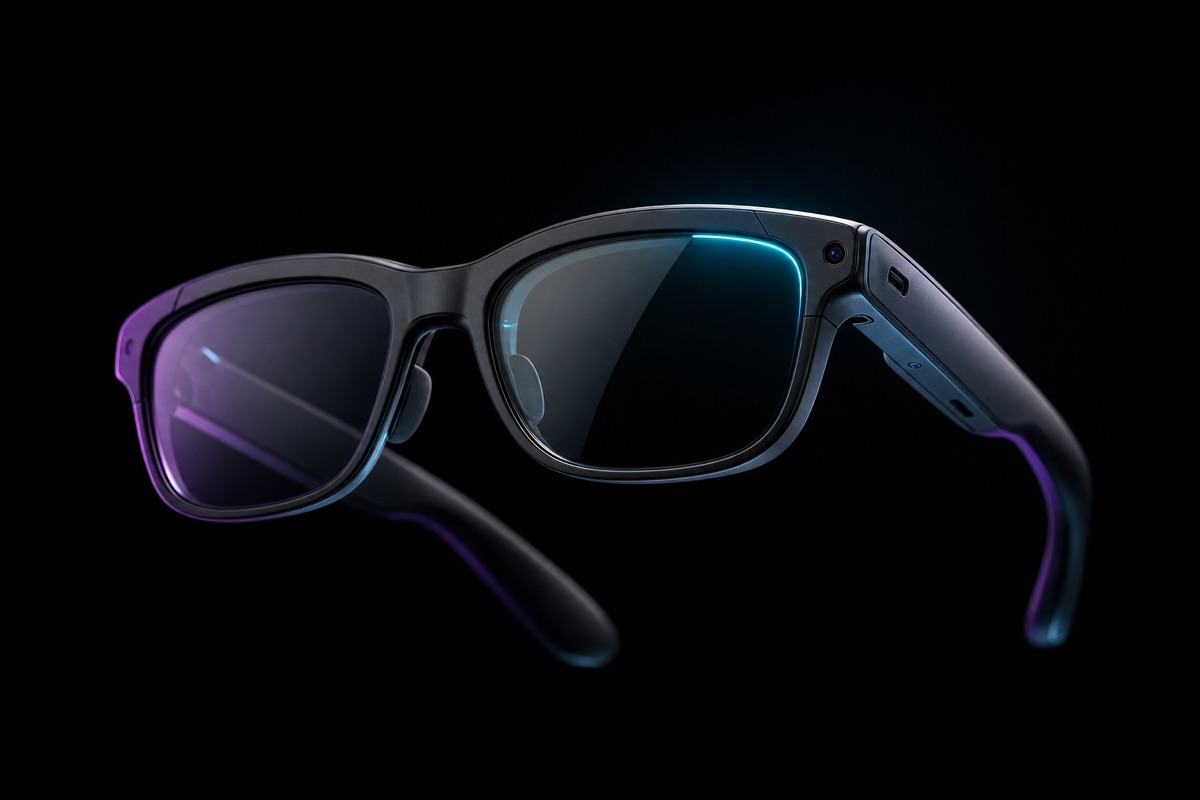
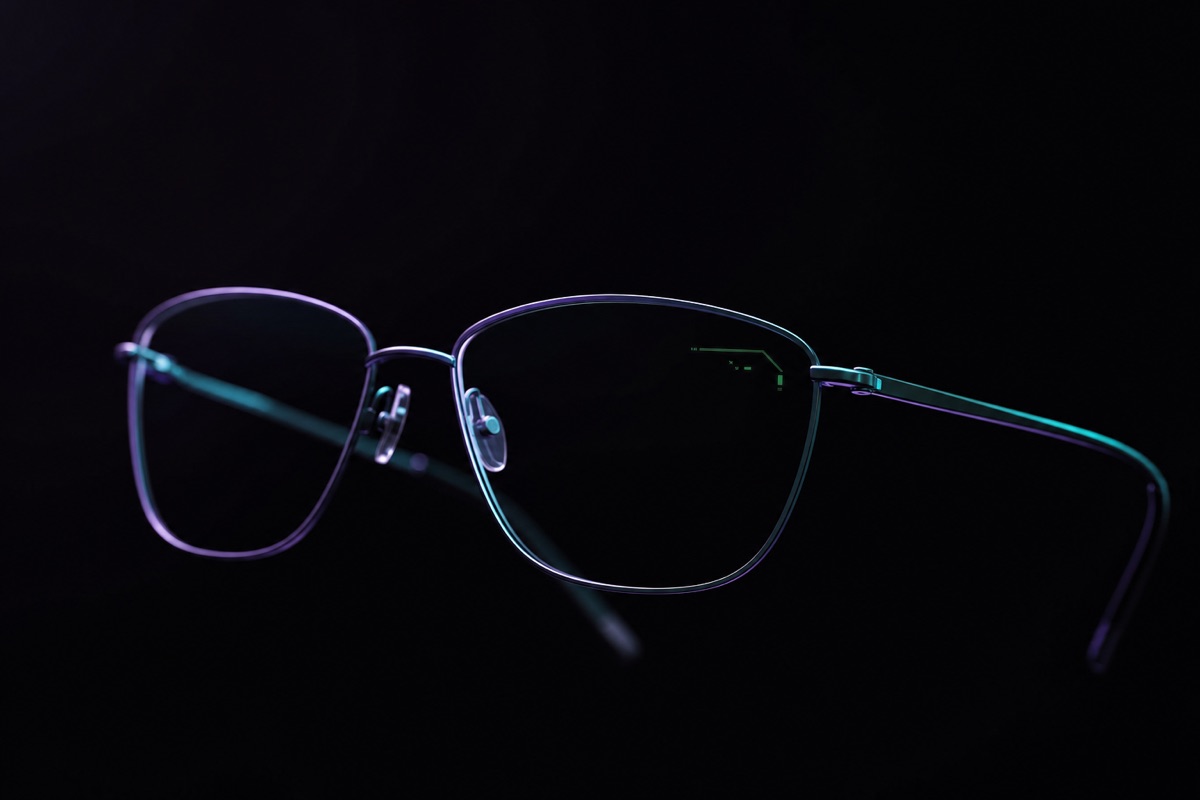
even realities markets the g2 as "coding glasses for ai agents." it's a 640×350 monochrome green HUD at 27.5° — physically incapable of a usable terminal. terminal mode only shows agent status + tap-to-approve via a ring. the code stays on your laptop.
interesting footnote for you specifically: that g2 supervisor mode — watch 20+ agents' status and approve from your wrist while away from the desk — is the one genuinely on-brand use for a HUD. it complements the mac; it doesn't replace a screen.
ranked for one thing first: how legible is a terminal through them. pixels-per-degree and anchoring beat field-of-view bragging rights.
recommended · the code pick
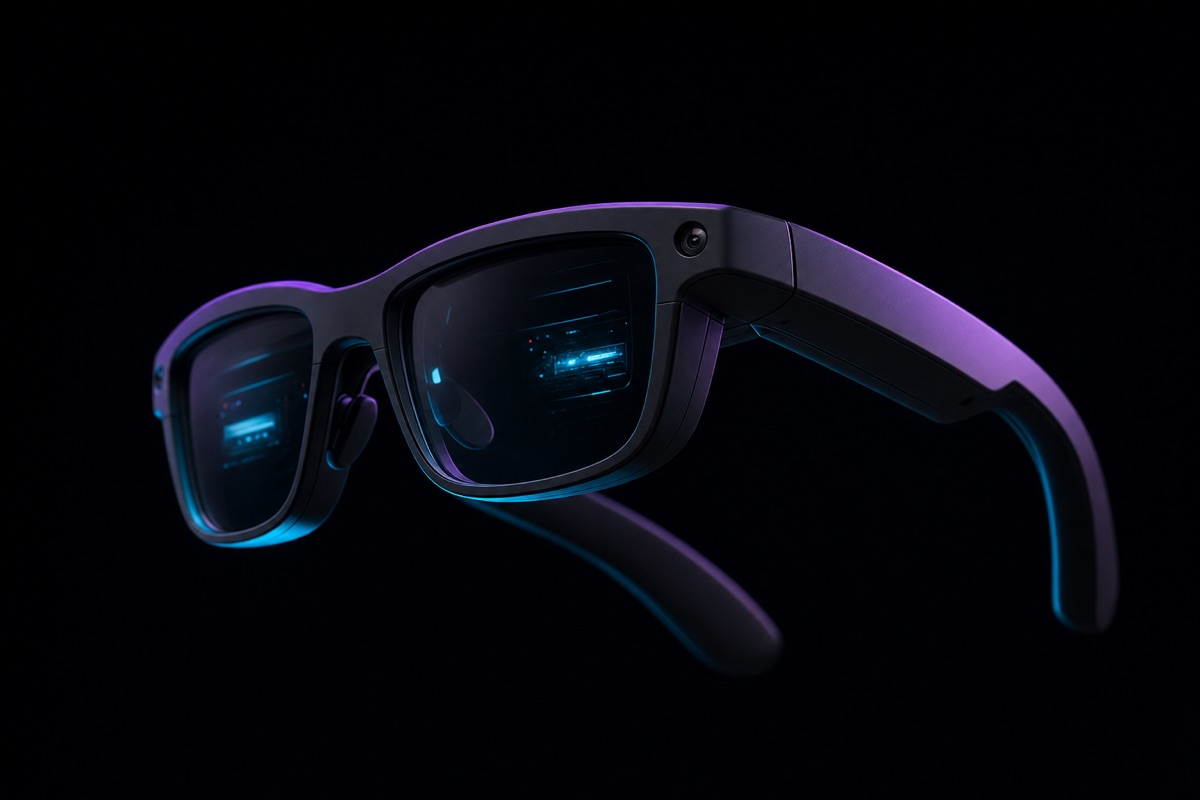
latest sony 0.55" micro-oled, 1080p per eye, widest fov in the lineup, and an onboard x1 chip doing native 3dof anchoring at ~3ms — so the virtual monitor stays parked while you work. the flat-prism optic gets more fov from a smaller panel. this is the one to code on.
value pick
same x1 chip + native 3dof, 52° fov, 500" virtual screen. plugs straight into any usb-c displayport device — iphone 17/16, mac, steam deck — no puck required. the budget-conscious display glass.
plausible · unverified
tom's guide actually preferred the beast over the one pro — wider fov, brighter, 9-level dimming. but its specs failed to clear fact-check this pass (0–0, unverified, not refuted). a real contender i won't vouch for until a hands-on text-legibility test settles it.
the trap · not a screen
gorgeous everyday glasses — but a 640×350 monochrome green HUD. it can't show a terminal. terminal mode = agent status (thinking/executing) + tap-to-approve via the r1 ring. the agents run on your laptop. buy it as a supervisor, never as a screen.
the glasses are a monitor — something has to send the picture. three viable hosts for a claude code session.
usb-c displayport-alt from the mac → glasses are an external display. run claude code in your terminal as normal, on a 171" floating screen. simplest path.
usb-c · dp alt modeiphone 17/16 over usb-c drives the glasses directly. ssh into astral, run claude code from a terminal app, dictate prompts by voice. the true "code from a hammock" rig — no laptop.
iphone 17 / 16$199 android-14 puck, full play store, 3840×1080@72hz, 3dof anchor built in. a pocket host when you don't want the phone tied up.
⚠ sold out on xreal US right nowthe wider sweep — things built for exactly your shape of founder: off-grid, self-hosted, dark-minimal, heavy local inference. verified finds below; a deeper pass is mid-flight.
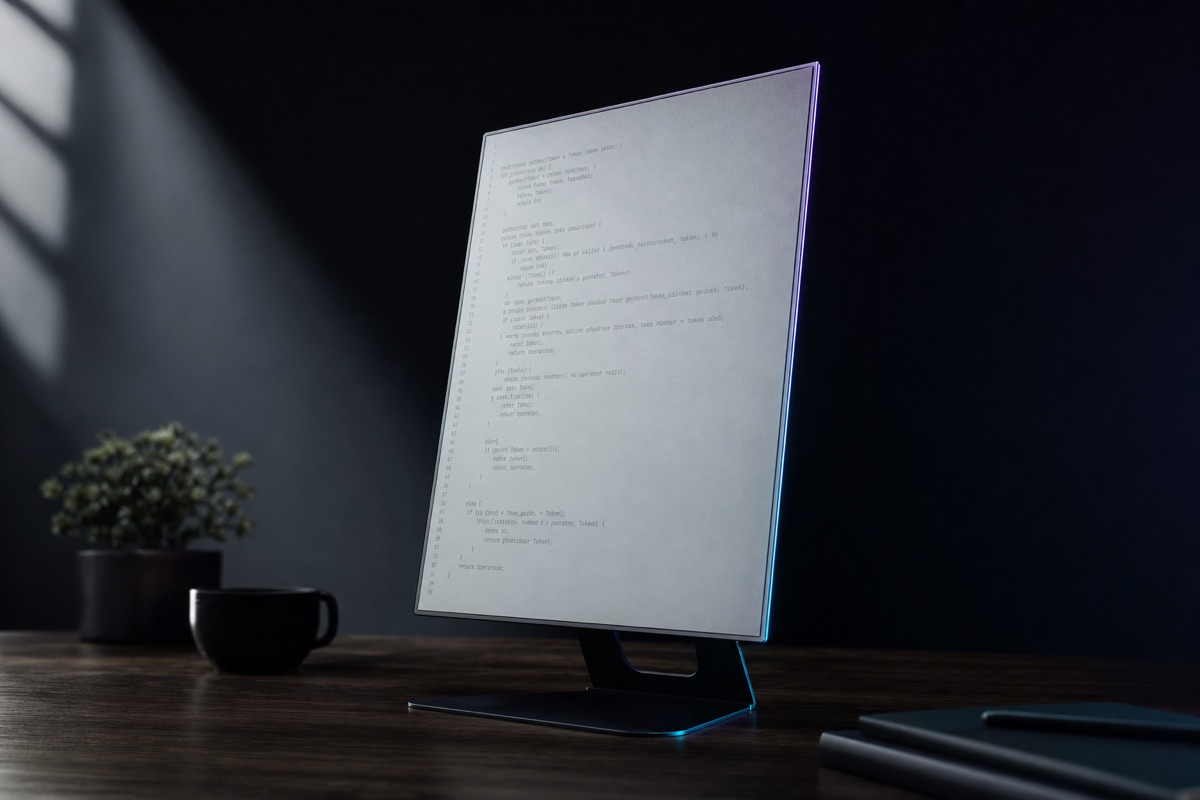
a 13.3" e-ink monitor — 3200×2400 at 300ppi, up to 60hz, sub-100ms latency, usb-c displayport, mac-compatible. not an e-reader. a real, sunlight-readable, paper-like coding display.
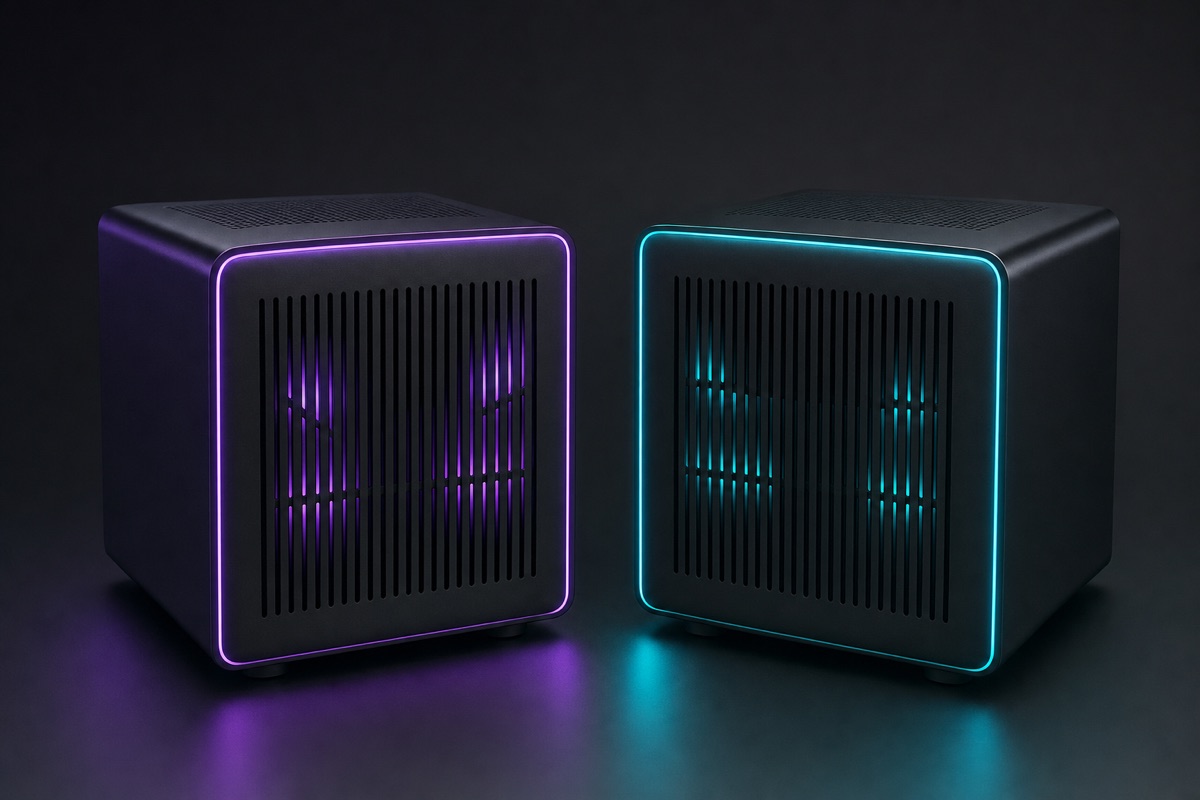
opposite, complementary profiles. the m3 ultra has huge memory bandwidth (819 GB/s, 512gb) but weak compute; nvidia's dgx spark has ~100 tflops but is bandwidth-starved. exo labs pairs them — spark runs prefill, mac runs decode — for a measured ~2.8× boost.
open source · verified
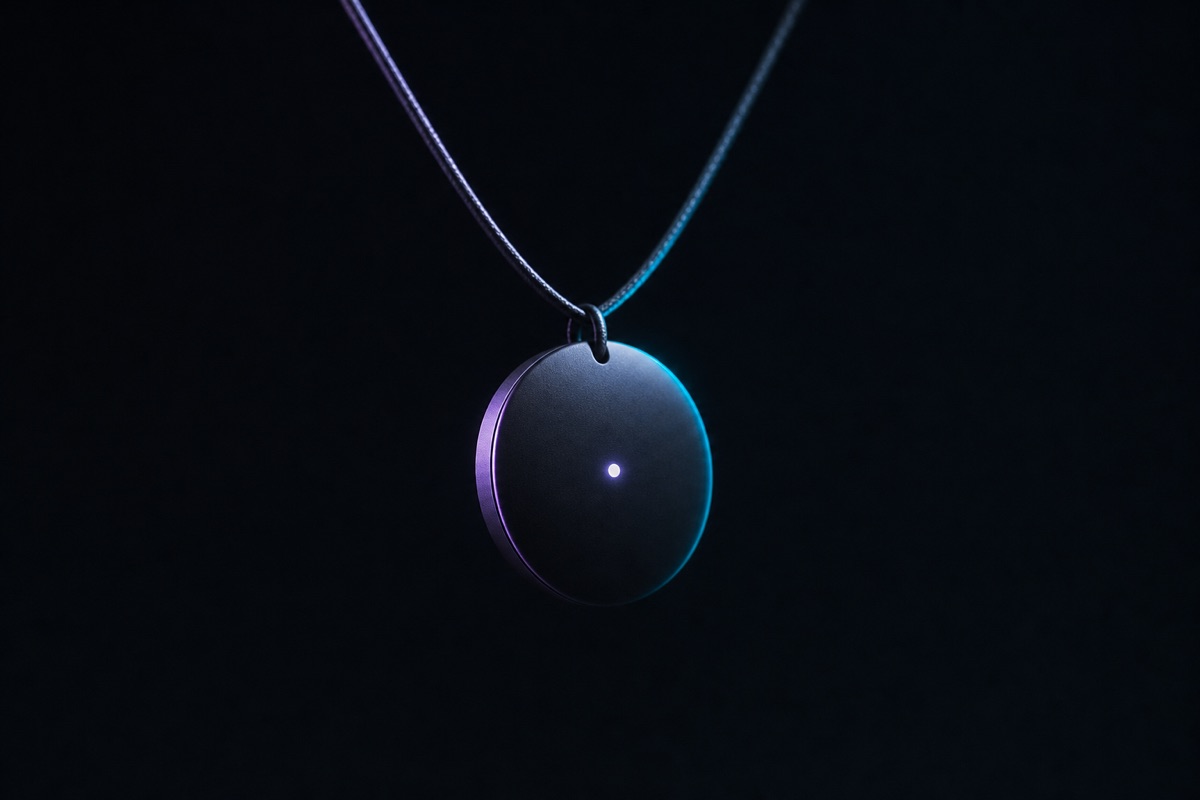
an always-listening pendant that transcribes conversations in real time, writes summaries + action items, and gives you an ai chat that remembers everything it heard. fully open-source — swift/rust mac app, flutter mobile app, fastapi backend, firmware, all on github.
verified
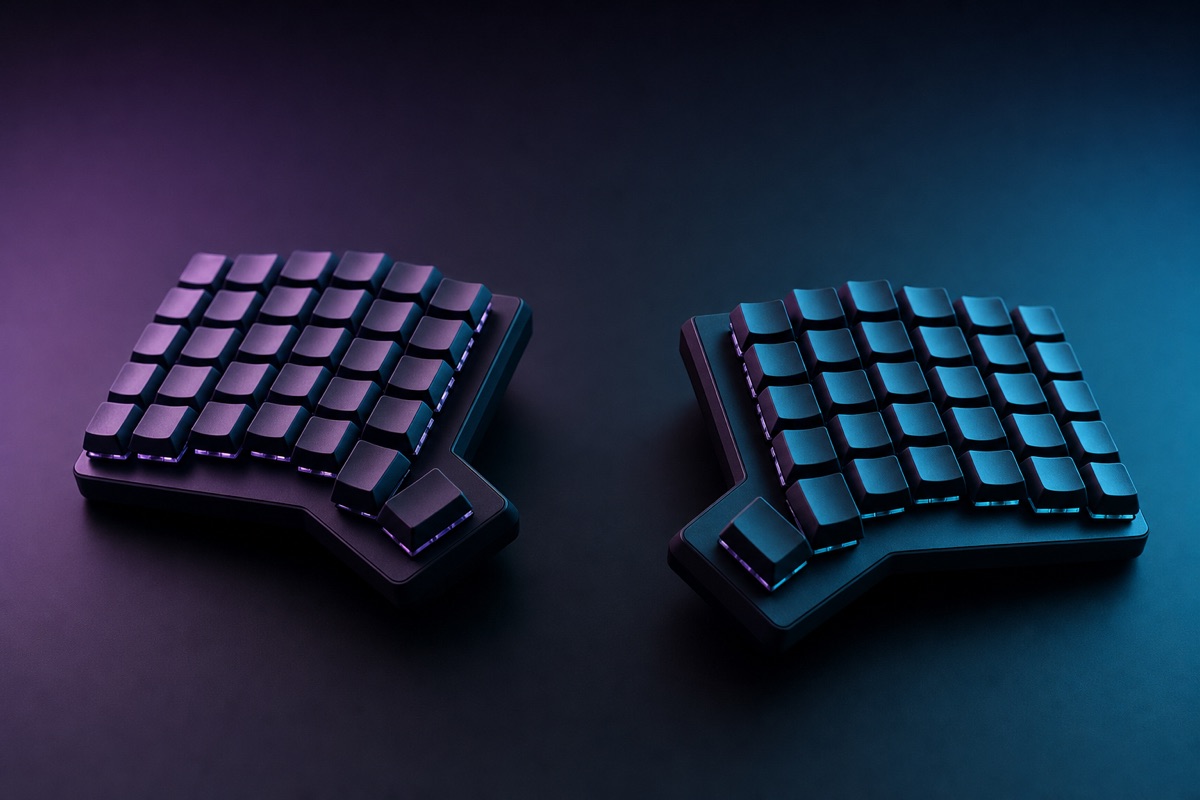
split ergonomic keyboards for people who type all day. the voyager is low-profile, 52 keys, ships in a travel case — a real "code from a hammock" board. the glove80 goes fully wireless (bluetooth, 4 devices) with concave key wells that cut finger travel.
verified · the healer pick
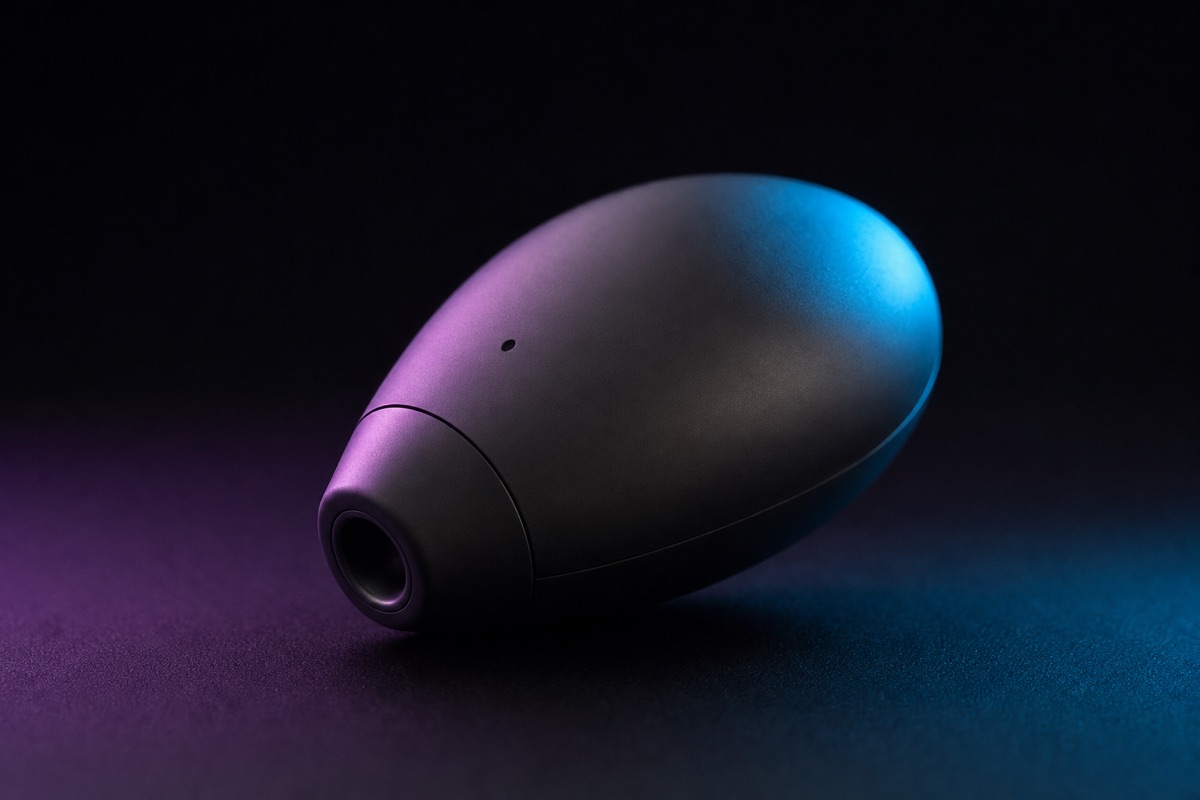
a handheld, screen-free breathwork device that physically expands and contracts in your hand — breathe in as it grows, out as it shrinks. works standalone, no app, no screen. paced coherent breathing without looking at anything.
sold in mexico · specs unverified
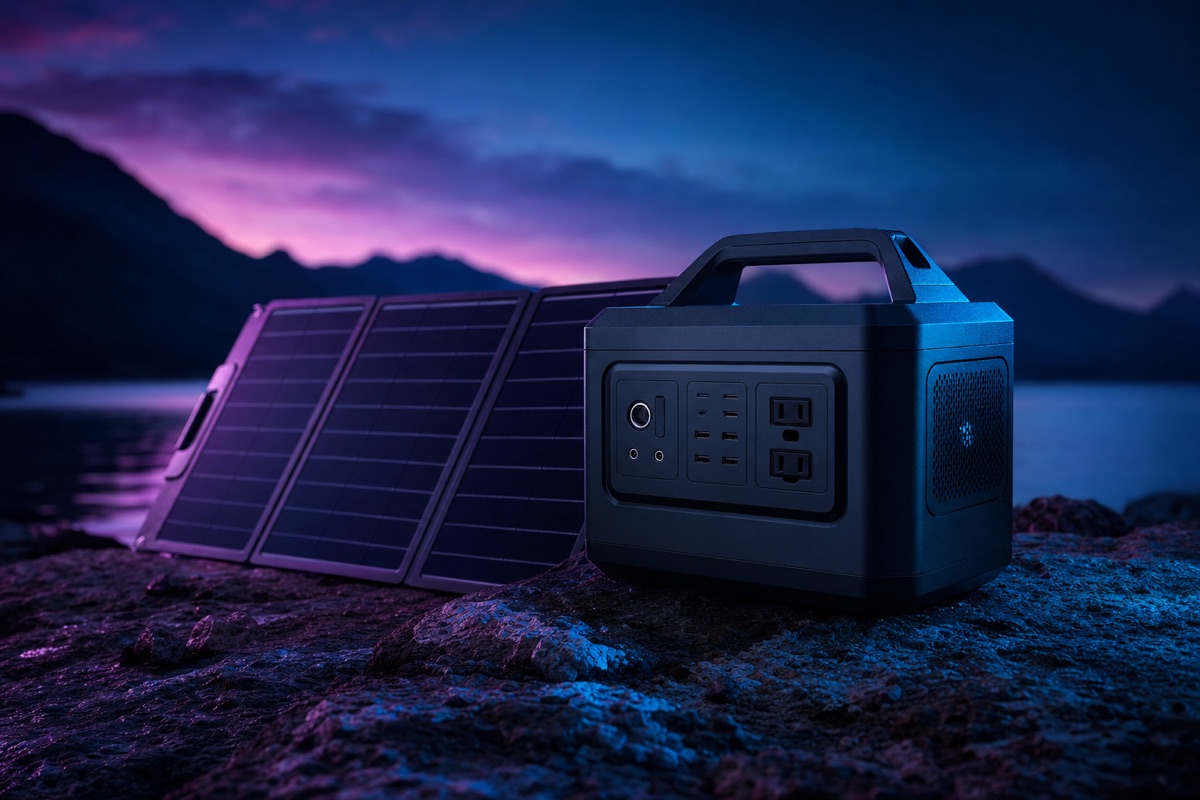
a 4 kWh portable power station — 4000W output (6000W boosted), up to 2600W solar input, expandable to 12 kWh. enough to run the mac studio + networking through an outage, or fully off-grid recharged by sun.
pass two got throttled mid-run, so these are source-claimed but not yet 2/3-verified (~). all real, all worth a look — confirm spec + price before buying.
a research report that hides its soft spots is marketing. here are mine.
the $599 one pro cut is confirmed permanent (april 2026). the beam pro was showing sold-out at fetch time — could be a shopify UI artifact. re-check before buying.
specs and the favorable verdict landed 0–0 (unverified, not refuted). it's a real contender i couldn't confirm this pass — treat as plausible, not proven.
native anchoring is real, but multiple reviewers report drift on long sessions. fine for an hour in a hammock; mildly annoying for a full work day.
not independently verified. xreal/amazon US ship via amazon global or a freight-forwarder to valle / mazunte; crowd supply ships worldwide but modos timing is unconfirmed. confirm duties at checkout.
bottom line — for coding, the one pro at $599 is a clean yes. but be honest about the use: these win for travel, the lake, the hammock, the "code off a phone with no laptop" play. they don't replace your mac studio's real monitors at the desk. if that mobile scenario is the actual itch, buy it.